

- James Wells
- 10 November 2026
- Advice
- Double Glazing
Types of Glass for Windows and Doors: Toughened, Laminated, Obscure and More
Most people don’t give glass a second thought until a quote arrives listing "4mm toughened" or "6.4mm laminated". But the right glass can make a bathroom private, a bedroom quieter, a front door more secure and a conservatory more comfortable, and it often costs less than you’d expect.
The good news is that you don’t have to choose. We specify the right glass for every window and door, and we take care of all the Building Regulations, so everything is safe and compliant without you needing to know the rules. The only choice that’s really yours is the look: which obscure pattern you’d like for privacy, or anything specific you have in mind, such as quieter glass for a bedroom.
This guide goes room by room, so you can see what we’d suggest and why. Or skip the reading, tell us the room and what’s bothering you, and leave the rest to us.
The quick guide
£ = standard price. ££ = costs a bit more.
- Float glass (standard), £: ordinary clear glass, used where safety glass isn’t needed.
- Toughened glass, £: around four to five times stronger than standard glass, and it breaks into small, blunt pieces. Needed in doors and low glass.
- Obscure (patterned) glass, £: lets the light in but blurs the view. Dozens of patterns, from light frosting to full privacy.
- Laminated glass, ££: two layers bonded to a tough interlayer, so it holds together if it breaks. Best for security, roofs and reducing noise.
You can combine them. A double glazed unit has two panes, and each one can be a different type, so a front door might have toughened obscure glass on the outside and toughened clear glass on the inside.
Which glass for which part of your home
Front doors
Glass in a door has to be safety glass, so it’s always toughened or laminated. After that, it’s about privacy and looks. Most people choose an obscure pattern, or a decorative design with obscure "backing glass" behind it, so you get light in the hallway without anyone seeing in. If security is a worry, ask about laminated glass.
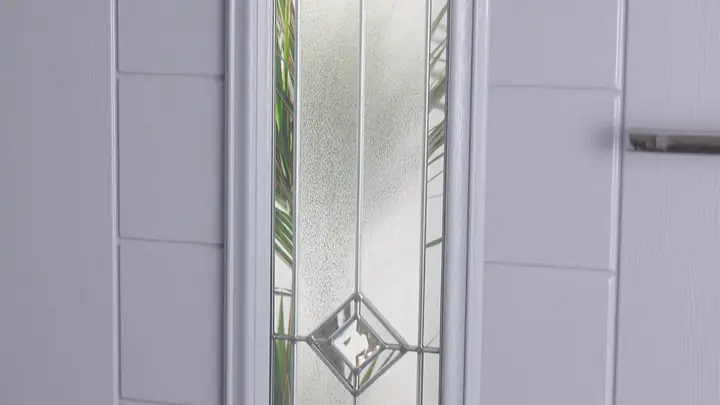
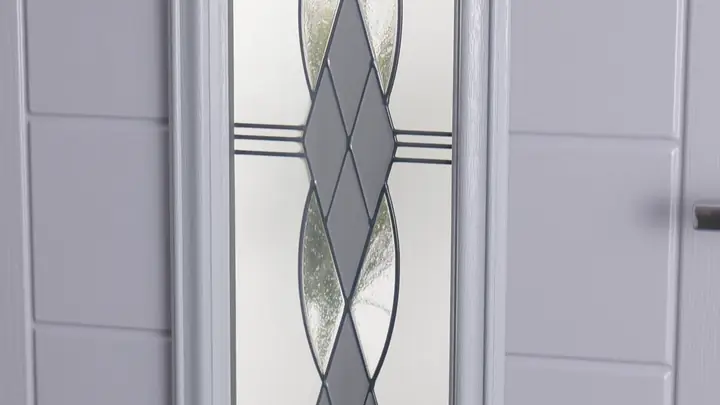
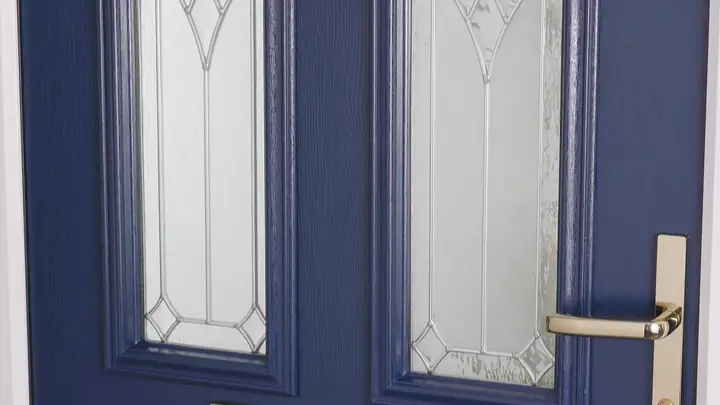
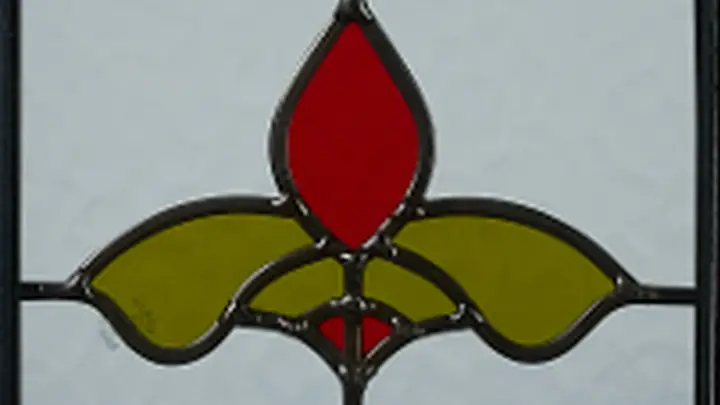
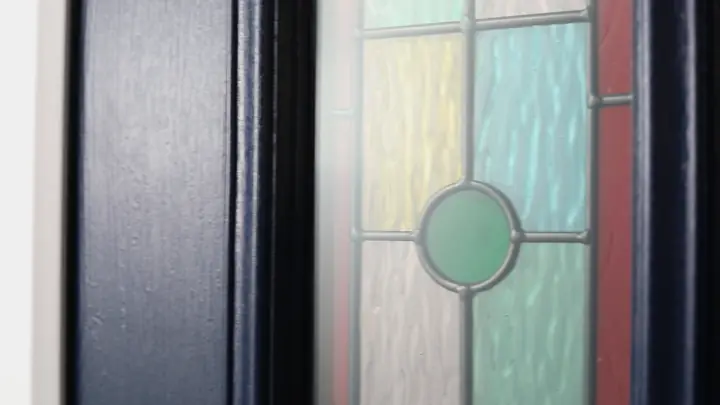
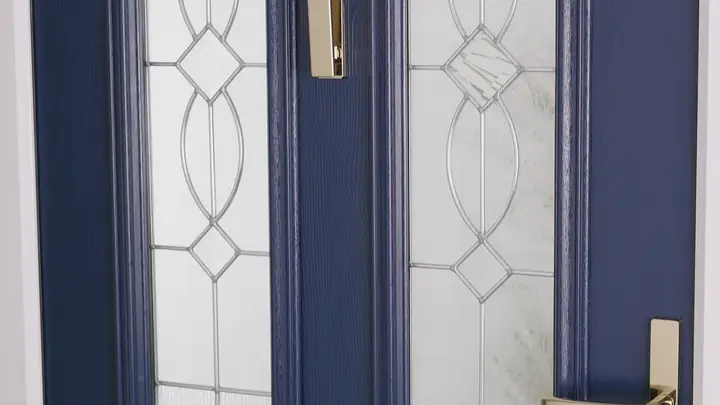
You can try glass designs on a door in our composite door designer, or read more about composite doors.
Bathrooms and toilets
Obscure glass, every time. Patterns are rated for privacy from 1 (you can make out shapes) to 5 (you can’t see through it at all), and for a bathroom most people go for 4 or 5. If the window is low, close to the bath or near the floor, it should be toughened too.
Patio, French and bi-fold doors
These are big panes at body height, so the law says they must be safety glass, and we fit toughened as standard. For a south or west-facing room that gets too hot in summer, ask about solar control glass, which cuts the heat coming through. See our bi-fold door designer.
Low windows, landings and stairs
Any glass from the floor up to 800mm high has to be safety glass, and so does glass next to stairs and landings where someone could fall against it. In family homes we often suggest laminated here, because even if it breaks, it stays in the frame.
Ground floor and street-facing windows
Laminated glass is much harder to get through quickly, which makes it a good choice for windows at the back of the house or out of view of the street. For windows right on the pavement, an obscure pattern on the lower panes keeps your privacy without blocking the light.
Bedrooms on busy roads
If traffic, trains or neighbours keep you awake, acoustic glass can help. It uses a laminated pane with a sound-dampening interlayer, often with panes of different thicknesses so the noise doesn’t pass straight through. It’s the next step up from our 32mm double glazed units.
Conservatories and glass roofs
Roof glass must be safety glass, usually toughened or laminated. Solar control glass helps stop the room overheating in summer, and self-cleaning glass means far less climbing about with a brush. If your conservatory is too hot in summer and too cold in winter, glass may not be the whole answer. Our guide to conservatory repairs and warm roofs explains the options.
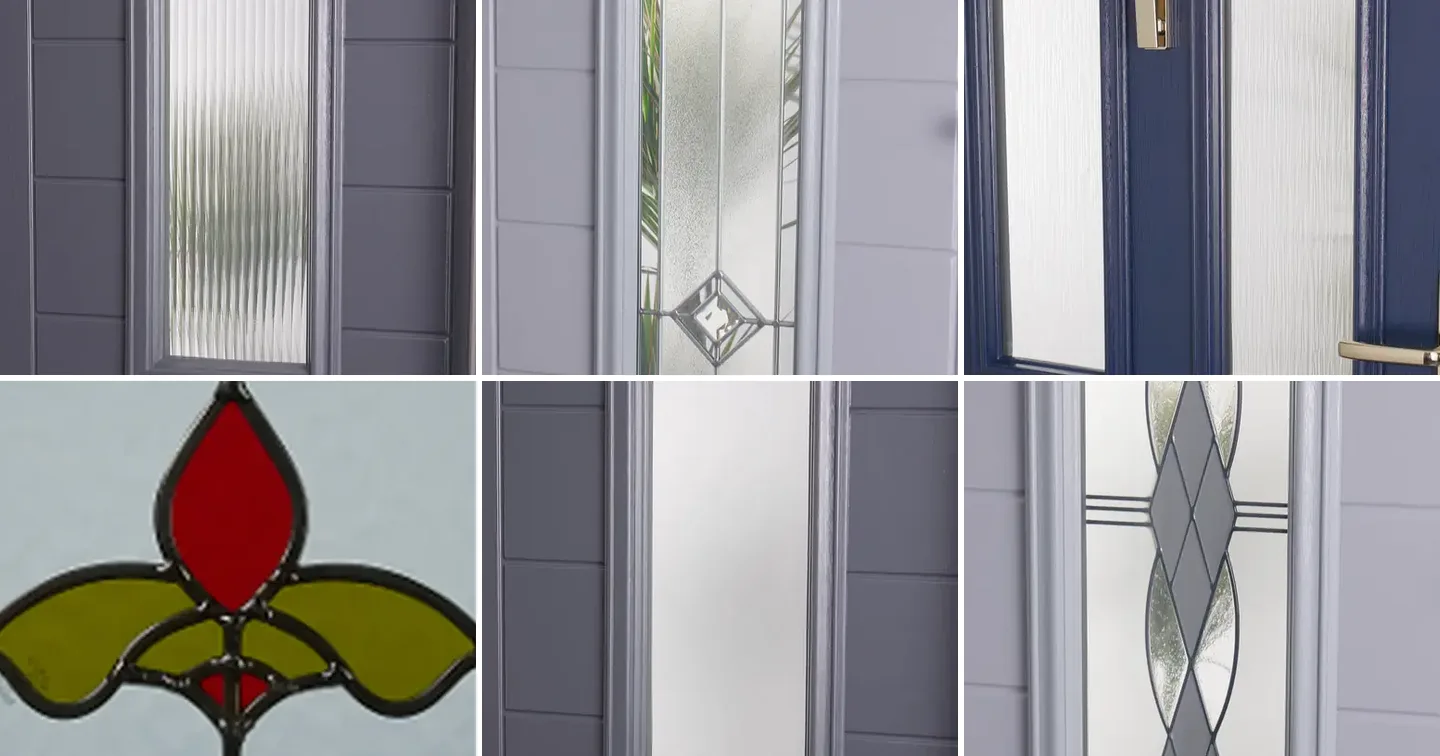
Obscure glass patterns, up close
Here are some of the most popular patterns. Each one gives a different look and a different level of privacy. We’ll tell you the privacy level of any pattern before you choose.
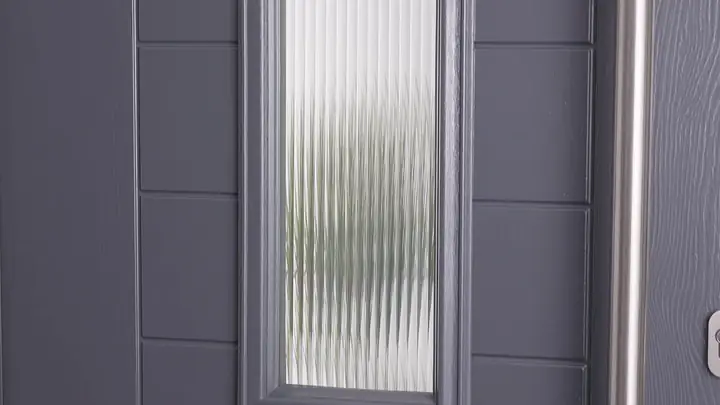
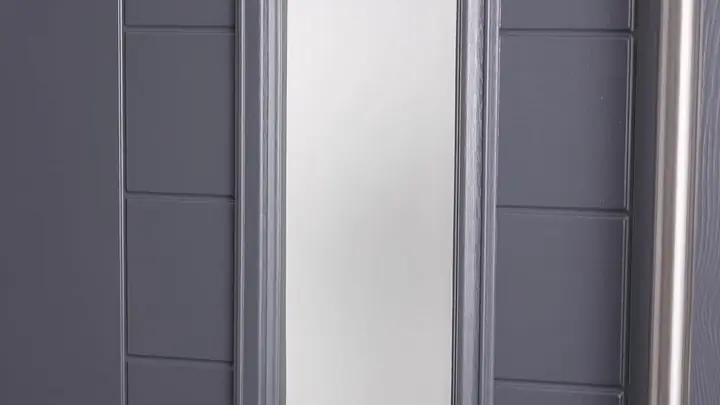
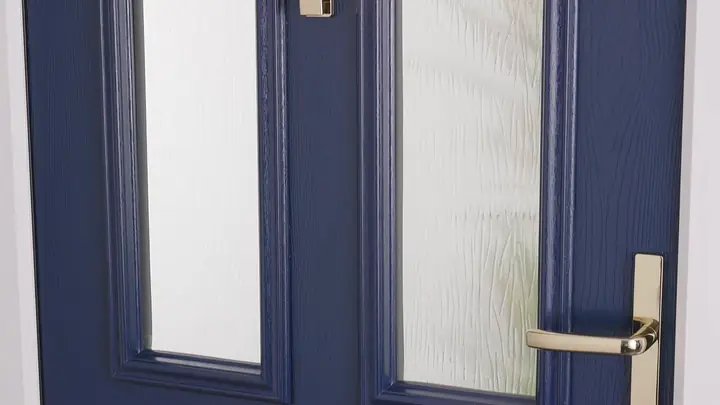
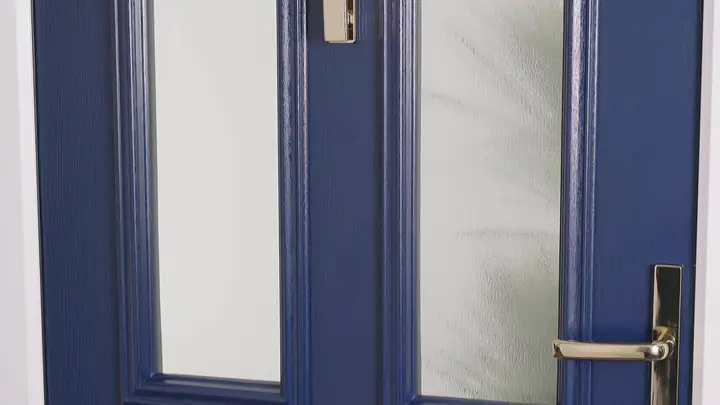
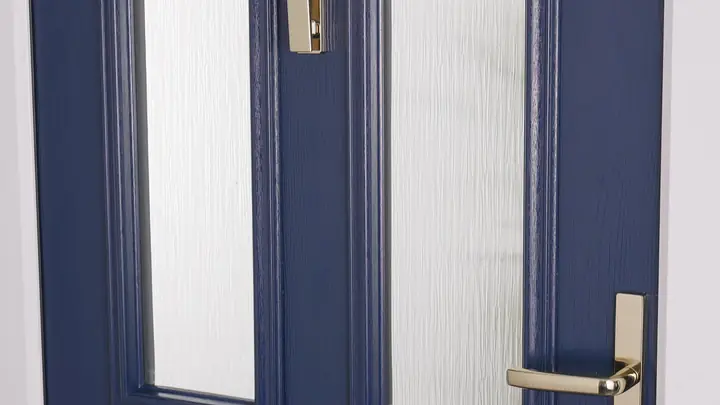
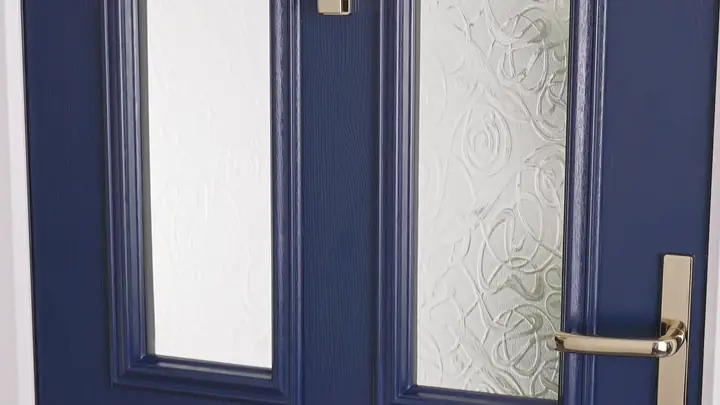
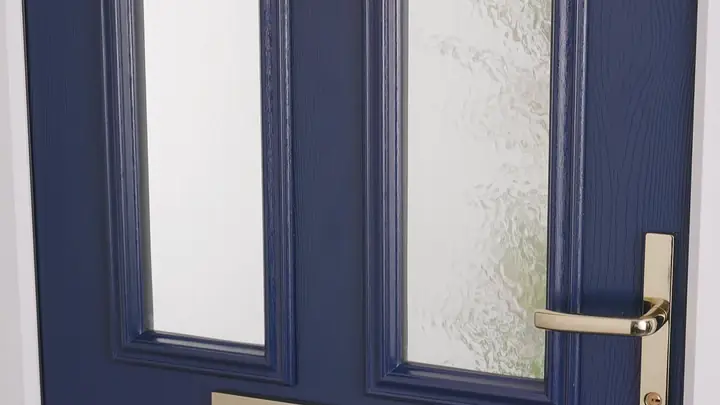
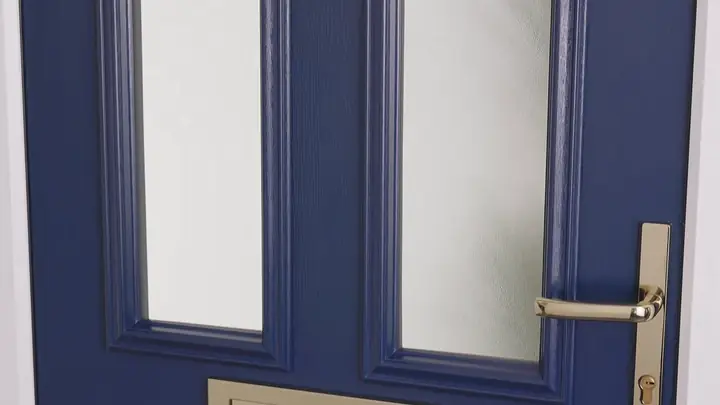
Reeded glass, with its fine vertical lines, is especially popular at the moment on front doors and internal doors.
Warmer glass: Low-E
Low-E glass has an invisible coating that reflects heat back into the room. If your double glazing is more than 15 or 20 years old, it may not have it, which is one reason new glass units can make a room feel noticeably warmer. More on when to replace double glazing.
The rules, in short
Building Regulations in England say glass in these places must be safety glass (toughened or laminated):
- Any glass in a door, and within 300mm either side of a door, up to 1500mm from the floor.
- Any glass in a window or wall up to 800mm from the floor.
You don’t need to remember any of this. We take care of the Building Regulations on every job, so the right safety glass always goes in the right place. One thing worth knowing: old wired glass in a door is there for fire resistance, not impact safety, so it isn’t safety glass in the usual sense.
Like your windows? Just change the glass
You don’t need new windows to get better glass. If your frames are in good condition, we can swap just the glass units for obscure, toughened, laminated or acoustic glass to suit each room. It’s also the fix for misted glass. See glass replacement and double glazing repairs.
Let us help you choose
You don’t need to become a glass expert. Leave the safety glass and the regulations to us, and just tell us anything you’d like, such as a privacy pattern. Send us a photo of the window or door, tell us the room and what you’d like to fix (privacy, noise, heat, security or just looks), and we’ll recommend the right glass and give you a clear price. Quotes are free with no obligation, and we answer enquiries the same working day.
Call 01243 302841 or send us a message.